

When Parents Have to Prove Their Child’s Needs Again and Again

Updated: 7 days ago

Over the years, a parent of a child with profound autism can accumulate quite an archive of professional reports, decisions, applications, emails and personal notes. The same information appears in slightly different words, with different dates and different signatures. Yet the next application still requires another explanation of why the child needs help and what happens without it.
When earlier information is not passed on
Every new professional needs information about the person they are going to work with. Parents understand that perfectly well. What is exhausting is having to put the whole picture together from scratch each time because earlier information has not been passed on, cannot be found or is not being used for some reason. The parent becomes the person who remembers what was agreed and where, who assessed what and which document was supposed to reach the next service.
When nothing happens in practice
Particularly hard are situations where a family has been led to believe that continued support is arranged, but nothing happens in practice. The family waits for a decision or funding authorisation and keeps chasing it, while the service provider waits for permission to continue the work. When it eventually turns out that a new application was needed or a supporting document was missing, the parent quite reasonably wonders why nobody said so while there was still time to sort it out without a gap in support.
To an administrative department, this may look like a matter that is still being processed. At home, it means weeks without guidance, the help that was agreed or the chance to have someone work through a worsening situation together with the family. The child’s need for help does not wait for the next meeting, and the parents’ energy does not remain untouched while different services work out who is responsible for sorting things out.
Everything in writing
At some point, the parent starts asking for everything in writing. They save messages, record the dates of phone calls and send an email after a conversation to check that both sides understood the agreement in the same way. From the outside, this can look like distrust or being difficult, but behind it there may be repeated experiences of verbal agreements that could not be relied on later. Few people become their family’s archivist for fun.
An unreasonable amount of guilt
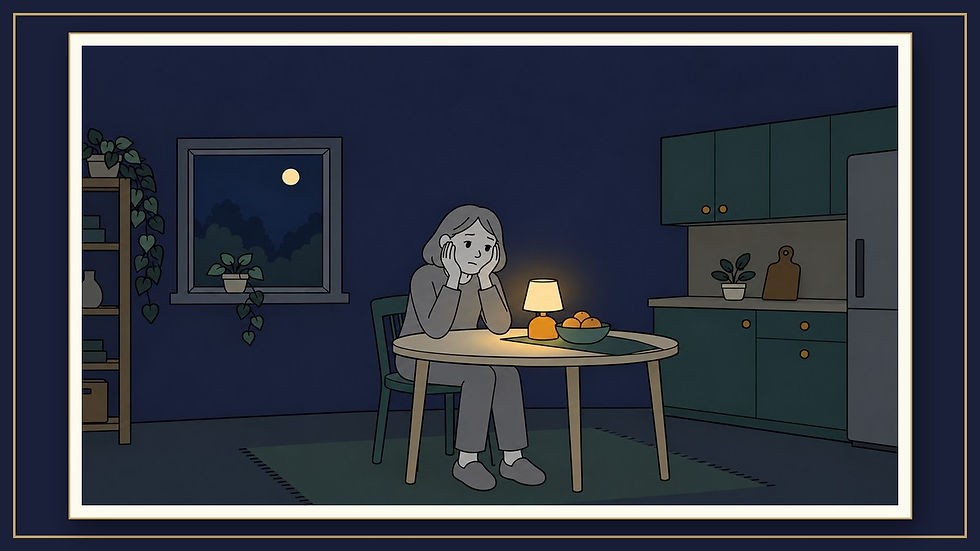
Being told that many other families need help too can also land badly. Parents know perfectly well that theirs is not the only child who needs support. They are nevertheless trying to sort out their own child’s situation and cannot simultaneously solve how services should be allocated across the entire region. If every application means wondering whether your child’s support will take something away from someone else, an unreasonable amount of guilt becomes attached to the ordinary act of asking for help.

Plenty that could be improved
There is plenty that could be improved in working with families before starting a single new project or introducing another service model. Tell the family clearly what is needed, who is dealing with it and when they will hear back. If something changes or is delayed, let them know instead of leaving a parent chasing answers for weeks. Such ordinary things would make a huge difference to someone who already spends so much of their life anticipating and working out another person’s needs.
A parent does not need a new to-do list from every appointment. When they ask for help, someone should also take responsibility for seeing the matter through, so that sometimes they come home with something other than instructions for the next application.
Written by Satu Väänänen, Lainattu Rauha® (Borrowed Peace), Finland
I have lived the everyday life of a profoundly autistic person as a mother for years, around the clock, and have also worked as a psychiatric nurse and in child protection.
Subscribe to the newsletter
Get news of new pictures and free materials. As a welcome gift, you get the guide When everyday life is too heavy.


Comments